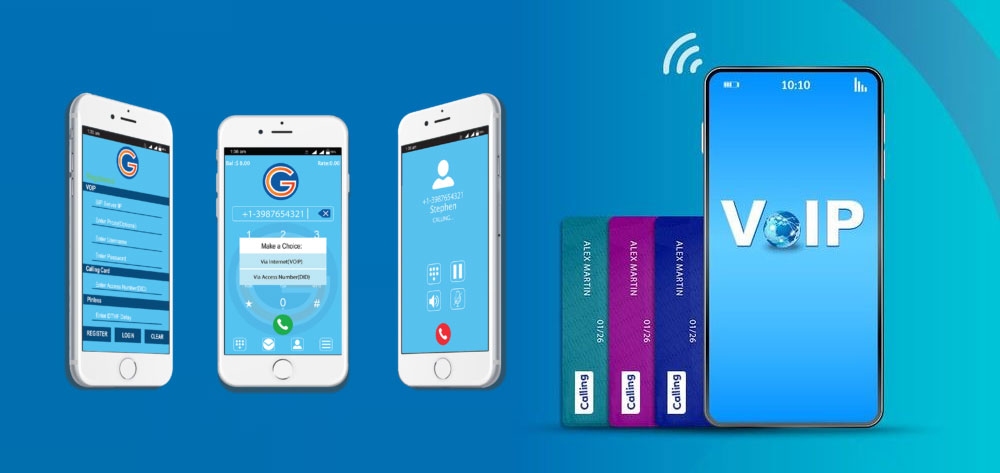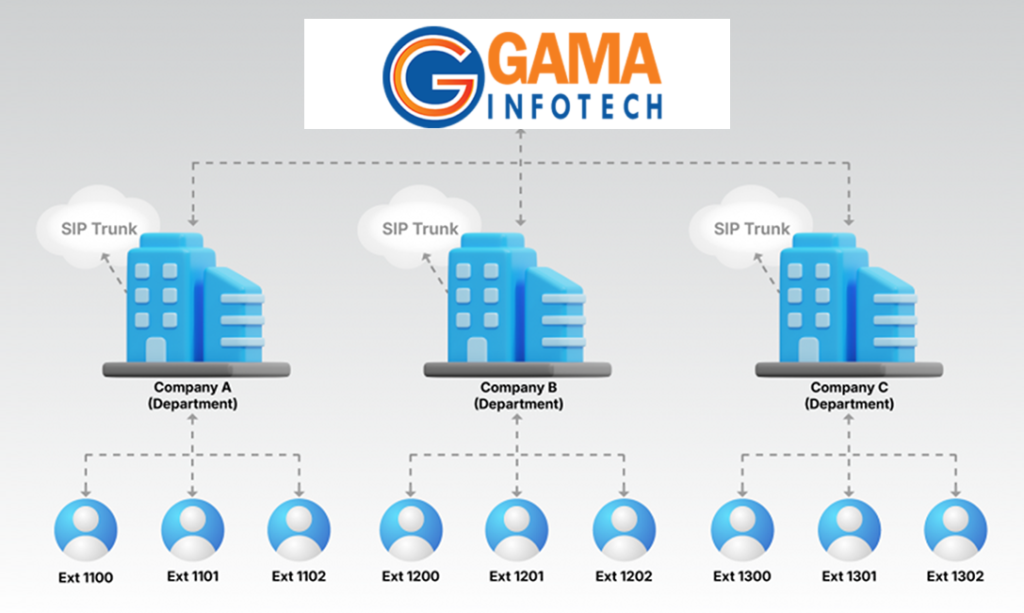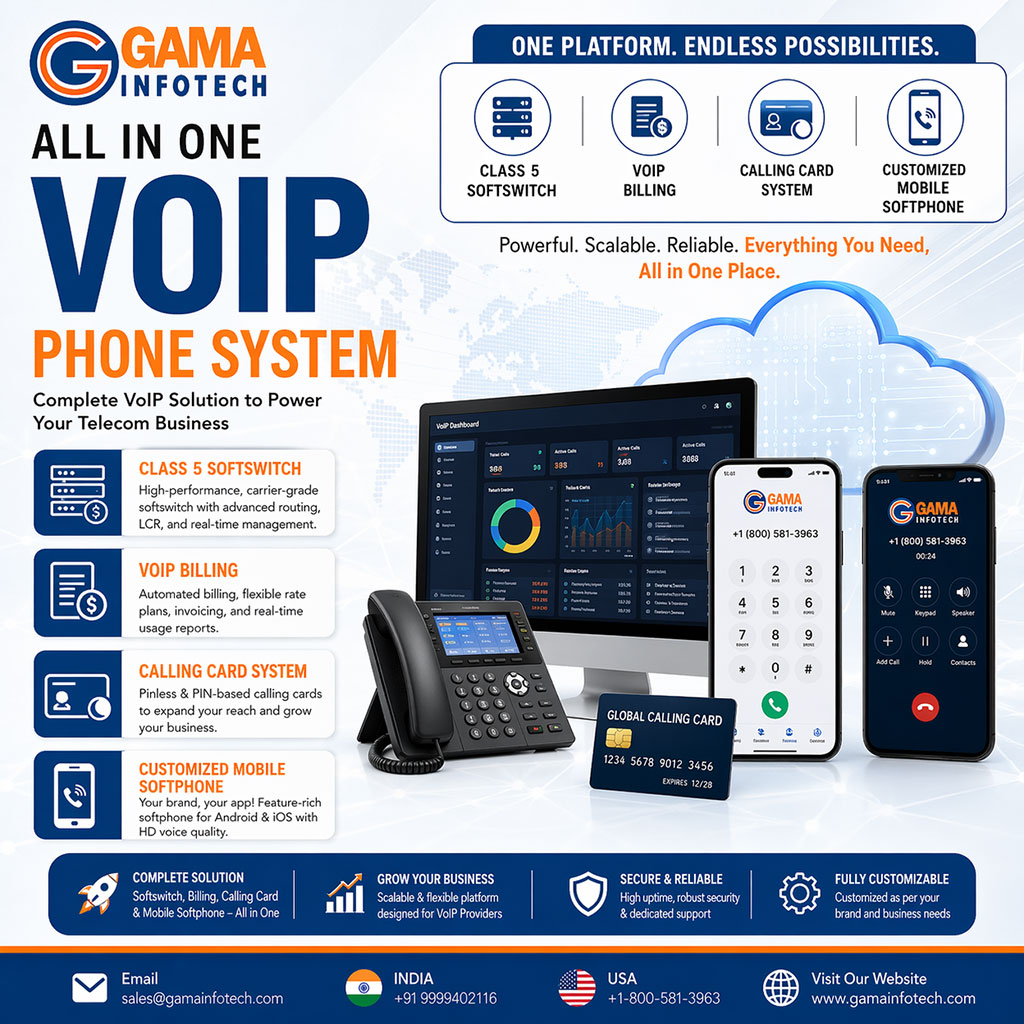

Complete All In One VoIP Phone System & White Label VoIP Mobile Softphone
If you have ever tried to “set up VoIP for a business” you probably know the feeling. At first it sounds simple. Get a SIP trunk. Pick a PBX. Add a softphone. Maybe a call recording add on. Done. Then you actually do it. Suddenly you are juggling a PBX server, a billing platform, a mobile app that breaks on the latest Android update, a CRM integration that only works on Tuesdays, and a support inbox full of “my calls have one way audio” messages. This is why all in one VoIP software solutions exist. And why white label VoIP mobile softphones are getting popular fast, especially for resellers, IT providers, and anyone building a communications brand without wanting to build the entire stack from scratch. Let’s walk through what “all in one” really means, what you should look for, and how a white label mobile softphone fits into the bigger picture. What “All In One VoIP” Actually Means (Not Just a Buzzword) A complete VoIP solution is not only a dialer and a SIP server. A real all in one platform usually bundles most of these pieces: When all of that is stitched together properly, you stop spending your weeks “connecting systems” and start spending time actually selling and supporting a phone service people can rely on. That is the promise, anyway. Who Needs an All In One VoIP Phone System? Not everyone. If you are a one person office and just need a simple line, a basic hosted PBX plan might be enough. All in one platforms make the most sense for: VoIP resellers and white label providers You want your own branding, your own plans, your own customer portal. But you do not want to engineer the PBX, VoIP Billing, and apps from zero. MSPs and IT service companies Your customers already expect you to “handle phones too”. The all in one approach lets you manage voice alongside networks, endpoints, and security, with less chaos. Call centers and multi site businesses Queues, recording, monitoring, reporting, wallboards, permissions. You need depth, not just dial tone. SaaS platforms that want embedded calling Sometimes calling is not the product, it is a feature. In that case, you need APIs, webhooks, and a softphone you can brand or embed. The Core Pieces of a Complete VoIP Software Solution There is a simple way to sanity check any “complete VoIP” claim. If a vendor cannot do these five areas well, it is not complete. It is a bundle. 1. Reliable call handling (the PBX brain) This includes the basics, but also the messy real life stuff: If you are evaluating, ask for a demo that shows a full inbound flow, from DID to IVR to queue to agent, with recording and reporting. Not slides. A real call. 2. Carrier grade security and SBC support VoIP is a magnet for fraud and brute force attempts. A serious platform should have: This is one of those areas where “it works in the lab” does not help you. You want a system designed to survive the internet. 3. Billing that matches how you actually sell Billing is where many VoIP businesses die slowly. It is not glamorous. But it has to be right. Look for: If you are doing white label, billing also needs to support brand specific invoice templates and separate payment gateways. 4. User experience and device coverage Customers will forgive a lot. They will not forgive an app that drops calls or fails push notifications. A complete solution usually includes: This is where white label mobile softphones matter, because the mobile experience becomes your brand in people’s pockets. 5. Reporting and visibility When a customer says “calls are bad” you need evidence fast. At minimum: The faster you can see what happened, the fewer support tickets turn into arguments. White Label VoIP Mobile Softphone: What It Is (And What It Isn’t) A white label VoIP mobile softphone is basically a ready built iOS and Android app that you can brand as your own, connect to your SIP or hosted PBX, and publish under your own developer accounts. So instead of telling customers, “Download this generic SIP app and type in server details,” you say, “Download our app,” and the login is simple. Often QR based. Sometimes SSO. It sounds cosmetic. It is not. The mobile softphone is the thing users touch every day. If it feels polished, your service feels premium. If it feels flaky, your network can be perfect and they still blame you. Key features you want in a white label mobile softphone Not optional, not “nice to have”. These are the basics. And then there is the real world part. The “annoying” details that matter a lot Most marketing pages skip these details. You should not. Why Providers Choose White Label Softphones Instead of Generic SIP Apps Generic SIP apps are fine for hobbyists and engineers. For a business brand, they come with problems: With a white label softphone, you get control and consistency. Also, you can standardize support. One app, one set of known behaviors, one training guide. And yes, branding helps. But the bigger win is operational. What “Complete” Looks Like When You Combine Platform + White Label Softphone If you are building a VoIP brand, the cleanest setup looks like this: When those pieces are actually integrated, onboarding becomes simple. No SIP server typing. No stun server guessing. No “what is my outbound proxy”. What to Look For When Choosing an All In One VoIP Solution This is the checklist I would personally use if I were evaluating vendors. Multi Reseller architecture, with proper reseller controls If you plan to white label, you need: If the platform is “multi reseller” but everything is still managed like one big account, it will hurt later. Strong onboarding and provisioning Look for: The more manual work required per customer, the less scalable your business is. Stable mobile push infrastructure Ask how push is implemented. Push is not “a
Complete All In One VoIP Phone System & White Label VoIP Mobile Softphone Read More »