2026 Mobile Softphone That Replaces Your Desk Phone
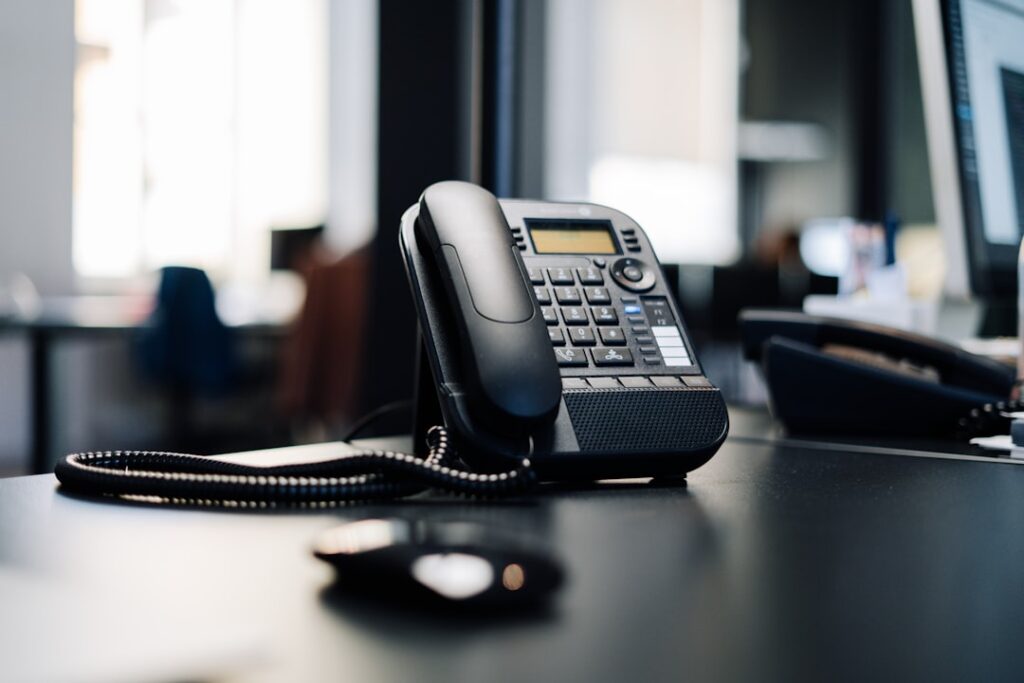
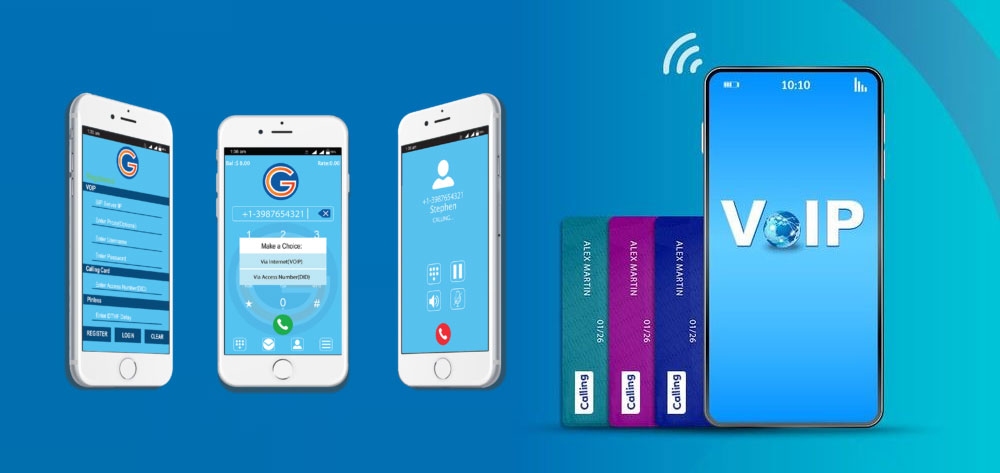
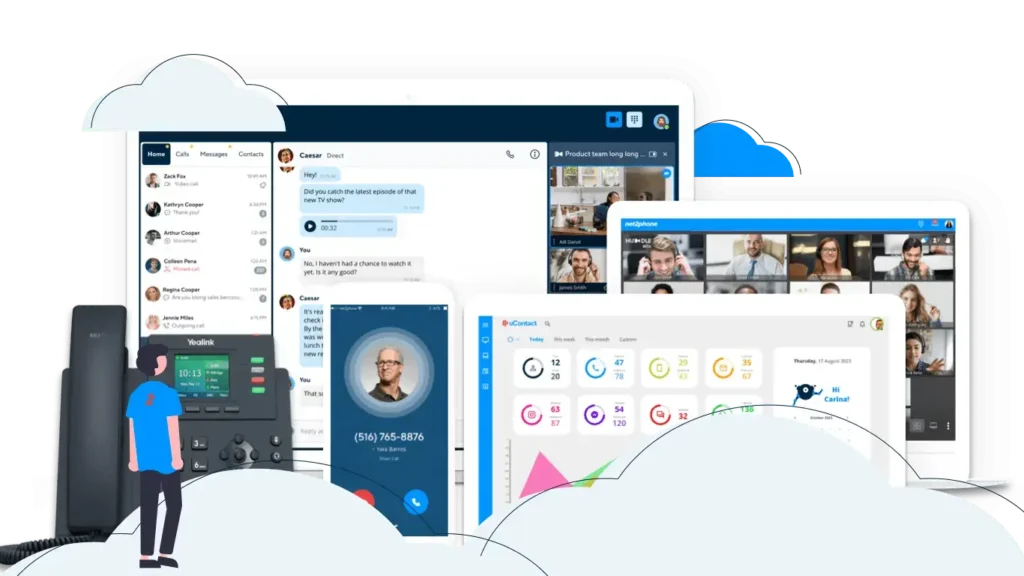
I used to think desk phones were one of those “boring but necessary” office things. You know. Like printers. Or badge lanyards. But sometime in the last year, I started noticing something weird. The people I talk to most, sales reps, recruiters, support leads, even a couple of old school finance teams, they were… not at their desks. And not just occasionally. They were taking customer calls from grocery store parking lots. From a kid’s soccer game. From a hotel lobby with terrible lighting. From home offices that look suspiciously like a kitchen counter. And the calls were still crisp. They still had transfers, holds, extensions, recording. The whole deal. So yeah. The desk phone is getting replaced. Quietly. One team at a time. This article is about the 2026 version of that replacement. A mobile softphone. On your phone. That acts like your business phone system. And, if you set it up right, you stop needing that plastic desk handset entirely. Not “forward calls to my cell” style. I mean a real replacement. What a “mobile softphone” actually means in 2026 A softphone used to be basically a VoIP app. You’d install it, maybe connect it to SIP credentials, then cross your fingers and hope it didn’t drop calls the moment you walked out of WiFi range. In 2026, a mobile softphone is closer to this: A business calling app that turns your smartphone into an extension of your company phone system, with the same identity and controls you’d have on a desk phone. So when someone calls your office number… You answer on your iPhone or Android. It shows the right caller ID. You can transfer to an extension. Park the call. Record it. Put the person on hold. Switch to another device mid call. Pull up notes. Log it to your CRM. And it feels… normal. Not like you’re hacking something together. There are a bunch of apps that claim this. But only a few really behave like a desk phone replacement instead of a “call forwarding with a nicer UI” situation. The desk phone problem nobody wants to admit Desk phones are fine when you’re always at your desk. The problem is that most jobs aren’t like that anymore, even in offices. People bounce between meeting rooms. Work from home two days a week. Travel. Share desks. Do hybrid. Do “I’m at HQ but I’m sitting in the lounge because it’s quieter”. Desk phones don’t love any of that. Here’s what usually breaks first: The mobile softphone solves that. If it’s done properly. The 2026 checklist, what a desk phone replacement must do If you’re shopping for a mobile softphone in 2026, I would not start with brands. I would start with capabilities. Because a lot of products are basically “good enough” until you hit the one feature your team actually needs. Then everything turns into a workaround. Here’s the real checklist. 1) It needs reliable call quality on both WiFi and cellular This is the big one. It has to survive real life. Walking to your car. Switching from office WiFi to LTE. Taking a call in a building where the WiFi is fine but congested. Or the reverse, where cellular is weak but WiFi is solid. Look for: If a softphone sounds great only when you sit still on perfect WiFi, it’s not replacing anything. 2) Business caller ID that stays consistent You want customers to see your company number. Or your direct line. Not your personal mobile number. And you want it consistent whether you call from: This is where a lot of “cheaper” setups fail. People end up using their personal phone app because it’s easier, then caller ID becomes a mess. 3) Real call handling, not just answer and hang up A desk phone is basically a call control device. The softphone needs the same. Minimum: Better: If your company has reception, support, or sales pods, this matters a lot. 4) Push notification calling that doesn’t drain the battery Always on VoIP used to kill phone batteries. And sometimes it still does if the app is built poorly. In 2026, you want a softphone that uses push notifications properly so it can “wake up” for calls without constantly running in the background like it’s 2017. This is one of those things you only notice when it’s bad. 5) Security and compliance that your IT team won’t hate Replacing desk phones with mobile is great. Until someone loses a phone. So you want: And if you’re in healthcare, finance, legal, or anything regulated, you need to think about retention policies and where recordings live. 6) Works with your actual workflow, not the marketing demo This is the difference between “nice app” and “company standard”. For example: Not every team needs all of that. But most teams need at least one of them. So what is “the” mobile softphone that replaces your desk phone? In 2026, the answer isn’t one magical app. It’s more like a category of setups. But the best desk phone replacement is usually: A mobile softphone provided by your cloud phone system vendor, tightly integrated with the PBX features, plus a decent headset, plus a couple of policy decisions. That’s the combo that actually sticks. If you want a simple mental model, here it is: And yes, some companies still keep a few desk phones around for lobby phones, warehouse stations, or emergency fallback. That’s fine. But most knowledge workers can go fully mobile. The setup that actually works (and doesn’t turn into chaos) This is the part people skip. Then they wonder why adoption is low. Here’s what I’ve seen work in real teams. Step 1: Decide what number identity each person should have Pick one: Then enforce it in the system. Don’t leave it to user preference unless you enjoy inconsistent customer experiences. Step 2: Define call routing like you mean it A desk phone implicitly forces routing. Calls go to the desk. If you’re not
2026 Mobile Softphone That Replaces Your Desk Phone Read More »